"I dream't I dwelt in marble halls"
Devoted to the histories and current state of the great mansions of America's Gilded Age.

Friday, May 10, 2013

Jay Gatsby Mansion and others of the Great Gatsby Era. The real locations, sites and photos of these literary mansions.

Here are just a few of the many mansions that once stood or are still standing along the North Shore of New York's Long Island. This area due to the numerous concentration of estates and mansions built during the Gilded Age became known as the, "Gold Coast". It was here that F. Scott Fitzgerald wrote and partied with the very rich, famous and celebrated people of the 1920's Jazz Age. The Gold Coast started at Great Neck, where Fitzgerald lived and ran along the Long Island Sound to Centerport. When Fitzgerald wrote, "The Great Gatsby", he didn't use just one house or location, but combined many and moved them all around, sometimes those that were almost next to each other ending up being moved across the water.

Here is a list that many historians think were the estates, mansions and locations that Fitzgerald was inspired by when writing,"The Great Gatsby".

Beacon Towers at Sands Point, New York.

The Great Gatsby Mansion of Jay Gatsby. Demolished late 1940s.
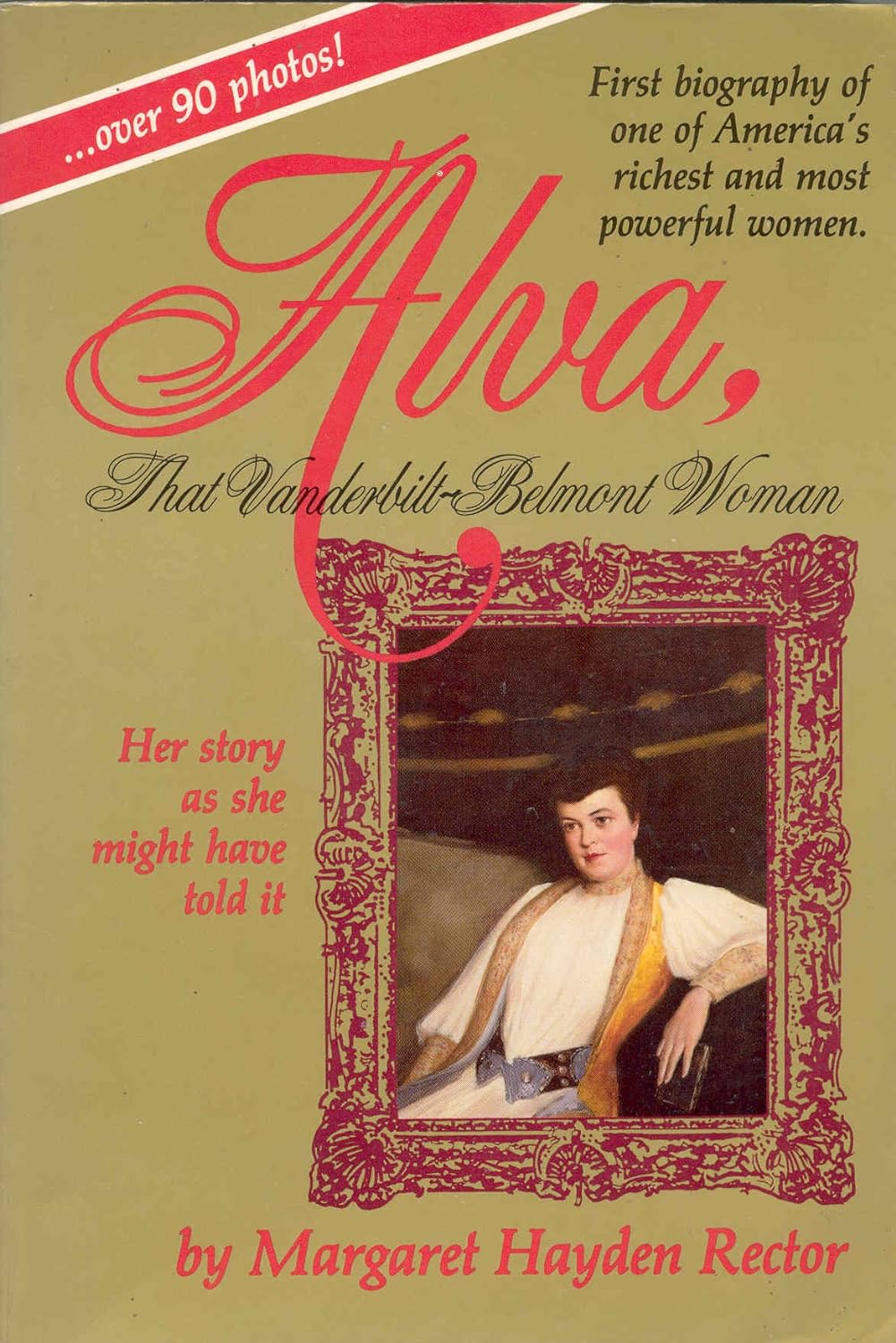
This house that is often thought of to be the model for the mansion of Jay Gatsby was a house built by Alva Vanderbilt Belmont. Alva was a real build-aholic, first commissioning the famous chateau on Fifth Avenue, then the still exisitng palace in Newport called Marble House. She also lived at Belcourt Castle in Newport, and had numerous other houses in New York City, Long Island and France. She was the first woman ever elected to become a member of the American Institute of Architects, some say because she commissioned so many houses in her lifetime. In 1917 she had the architectural firm Hunt and Hunt design for her a castle over looking the Long Island Sound. She is said to have commented upon seeing a real Scottish castle that her house on Long Island was more authentic. In the late 1920s William Randolph Hearst, later builder of California's, "Hearst Castle" , bought Beacon Towers and renovated it making it larger and more opulent. He lived there very little, with the house mostly used by his wife, Millicent. The house was demolished in the early 1940s. 
Aerial of The Great Gatsby Mansion of Jay Gatsby. Demolished late 1940s. All that remains is the gatehouse and the garage outside the gates.
 Click HERE to see the location and site today.

Lands End at Sands Point, New York.

Lands End at Sands Point, The inspiration for Tom & Daisy Buchanan's Mansion. Photo: Natasha Commander

This Iconic Gold Coast mansion, stood for over 100 years and according to some accounts was built in 1911. Often attributed to architect Stanford White, it has never been proven. If it was built in 1911, then it is not, since Stanford White died in 1906. While it was a unique piece of architecture, the only thing that it had in common with any Stanford White building was that it was white with big columns, which is pretty classic for most mansions of this style. The massing was very unlike any other houses ever designed by White and bore no resemblance to any other works of his or his firm, McKim, Mead & White. From its over scaled heavy topped chimneys, to its slightly angled plan, which from a design point of view, embraced the site perfectly. This great mansion,recently demolished was one of Long Island's last remaining jewels and sailing landmarks. During a sunny day or overcast day  it rose above its site prominently, The Parthenon of the "Gold Coast'.


Lands End at Sands Point, Long Island. The inspiration for the mansion of Tom and Daisy Buchanan.
Click HERE to see the location and site today.

If you will notice from the maps, that both houses are on the same side of the harbor and even within walking distance along the beach. It might have been possible to have seen Daisy's house from Gatsby's house but it is not across the water. Also both houses are located in Sands Point, which is at the tip of Port Washington. Sands Point is often thought to have be renamed by Fitzgerald as East Egg, the place where old established money lived and not new flashy millionaires like Gatsby. West Egg which was the location of Gatsby's mansion would have been Great Neck, which is the next town west, where Fitzgerald actually lived. Great Neck at the time while having many estates and mansions of it's own, but most not of the scale of Sands Point, attracted many celebrated people from Broadway and the arts. Getting back to the Gatsby mansion and Buchanan mansion, both houses face east looking towards the shore of Glen Cove. In the book, Gatsby's mansion would have been on the eastern shore of Great Neck looking across at the western shore of Sands Point, where Daisy's mansion would have been. But across the water from Beacon Towers,"Gatsby's Mansion",was the estate and phenomenal mansion called Pembroke, which was in Glen Cove. This amazing estate was built by Captain De Lamar, then sold to Marcus Loew, the movie theater magnate. It was here that Fitzgerald probably attended the wild parties during the roaring twenties that were attended by some of the silent screens greatest stars such as Gloria Swanson and Rudolph Valentino and served as inspiration for those depicted in his novel. This estate also had a long dock, with a light at the end, visible from Gatsby's mansion.This mansion was demolished in the 1960s and the estate made into new smaller houses.

Pembroke, The Estate of Marcus Loew at Glen Cove, New York
The palatial mansion of Marcus Loew at Glen Cove Long Island, often thought to be the scene of the wild 1920s Jazz Age parties that Fitzgerald attended and severed as the inspiration for Gatsby's parties.

Pembroke from the waterside, Pembroke was the estate and mansion of Marcus Loew, who gave wild 1920's Jazz Age parties, many thought to be the  inspiration for the parties of Jay Gatsby  F. Scott Fitzgerald wrote about in, The Great Gatsby"
Aerial of Pembroke in later years.

The scene of many parties during the Great Gatsby Era, many thought to be the kind of parties that Jay Gatsby gave in, "The Great Gatsby".

Click HERE to see the location and site today.


If you are interested in viewing more Mansions of the Gilded Age, please friend, Gilded Age Mansions on Facebook and also ask to join the group, Mansions of the Gilded Age for comments, movies, recommended  books and great places to visit from America's Gilded Age.
Please also visit my other blog,
Houses of the Hamptons 
 
  Below are some other mansions from the Gatsby era, some still standing, but most long gone.  


Please search this blog for more stories about these estates and mansions plus other Long Island Gatsby Mansions.


Wednesday, May 8, 2013

The 4th Annual Tour of Southampton Homes


The Southampton Historical Museum will be holding their annual house tour this Saturday from 1:00pm to 4:30pm. A champagne reception will follow afterwards from 4:30 - 6:00 pm. Always a wonderful event and a chance to visit homes rarely seen!

Please contact the Southampton Historical Museum for tickets at,

www.southamptonhistoricalmuseum.org 

631.283.2494 

Sunday, May 5, 2013

The Mansion of Jay Gatsby

Alva Vanderbilt Belmont's Castle at Sands Point, Long Island, New York. This house is often thought to be F. Scott Fitzgerald's inspiration for the mansion of Jay Gatsby. Photo: Library of Congress
The Great Gatsby Mansion at Sands Point, Long Island, New York. 
The house that is often thought of to be the model for the mansion of Jay Gatsby was a house built by Alva Vanderbilt Belmont. Alva was a real build-aholic, first commissioning the famous chateau on Fifth Avenue, then the still exisitng palace in Newport called Marble House. She also lived at Belcourt Castle in Newport, and had numerous other houses in New York City, Long Island and France. She was the first woman ever elected to become a member of the American Institute of Architects, some say because she commissioned so many houses in her lifetime. In 1917 she had the architectural firm Hunt and Hunt design for her a castle over looking the Long Island Sound. She is said to have commented upon seeing a real Scottish castle that her house on Long Island was more authentic. In the late 1920s William Randolph Hearst, later builder of California's, "Hearst Castle" , bought Beacon Towers and renovated it making it larger and more opulent. He lived there very little, with the house mostly used by his wife, Millicent. The house was demolished in the early 1940s.

Wednesday, February 20, 2013

Tsar: The Lost World of Nicholas and Alexandra


 A splendid book about a long lost era!
Click HERE to buy on Ebay.

Fifth Avenue: A Very Social History by Kate Simon


Fifth Avenue: A Very Social History
Here is another book I highly recommend! It takes the reader on an a behind the Gilded doors look into many of the great mansions that once lined Fifth Avenue, Called in the era," Two Miles of Millionaires". The book also covers the great institutions and shops that would later claim their prominence on the avenue. Buy it HERE at Amazon.

If you love Fifth Avenue mansions of the Gilded Age, please take a look at the blog, 


Tuesday, February 19, 2013

Sunday, February 17, 2013

"If you love Downton Abbey"

For all the fans of," Downton Abbey", you will probably enjoy the many films of, Merchant Ivory. Here are  a few books that illustrate their wonderful films, many set in the,"Gilded Age".


Here are some of my favorite Merchant Ivory films that focus mainly on the Gilded Age.

Merchant Ivory Films

THE GOLDEN BOWL


Movies that cover a similar period but are not by Merchant Ivory

PORTRAIT OF A LADY 
DEATH IN VENICE
AGE OF INNOCENCE
THE HOUSE OF MIRTH
THE WINGS OF THE DOVE
 

Friday, February 15, 2013

" The Locusts" on the Hudson River at Staatsburg, New York


The original "Locusts" at Staatsburg, New York.

The " Locusts" as rebuilt to reflect tastes of the 1940s.
The Locusts located on a commanding bluff overlooking the Hudson River at Staatsburg, New York has a fascinating architectural and social history. Once a 2000 acre estate with a Italianate Villa and numerous outbuildings it was one of the showplaces of it's day. Gilded Age millionaire William Dinsmore built the elaborate Villa with towers that could over look the river and made the grounds a horticultural paradise. The property remained in the family for many years and in 1941 a descendent of Dinsmore, Mrs. Lytle Hull demolished the large house and built a more stylish modern house on the site. Many of the outbuildings from the earlier period remained. In 1985 Robert Guccione, the publisher of Penthouse magazine bought the property and lived there with his wife for many years. The estate today is now owned by hotelier Andre Balazs, please click HERE to visit the website which tells about it's history and is beautifully illustrated with photos.

Also read more on the Downeast Dilettante

Saturday, February 9, 2013

The Plaza Hotel in Books


The original Plaza Hotel facing Fifth Avenue circa 1900. Photo: Library of Congress.
The Plaza Hotel has always been located on Fifth Avenue between 58th and 59th Streets. The original building was constructed around 1890 and said to be one of the most luxurious hotels in New York. But the fast pace of New York's growth during the, " Gilded Age" and its love of splendor made this hotel antiquated in only 15 years. By 1905 this original building was torn down to make way for the great landmark building that we still have today. The new Plaza Hotel opened in 1907 and the first guest was Alfred Vanderbilt. Ever since then until recently, it was known as the place of the very rich, socialites and anyone else who could afford to stay there. The famous Palm Court was always a favorite place to have an afternoon meal after a day of shopping on Fifth Avenue. Today the Plaza Hotel is split into a mixed use with most of it sold off as condominiums for the world's new rich and powerful and a smaller part still serves as a hotel. The Palm Court is still a wonderful place to go for meals and it's beautiful stained glass ceiling, once covered up, has been restored. One could write a book about the Plaza Hotel and many have! Here are a few of my favorites from my collection.

 
The Plaza Hotel circa 1912. Photo: Library of Congress.


Four of my favorite books about the Plaza Hotel.


 Please click the following links to read more about the Plaza Hotel's History.


Related Posts with Thumbnails